
ETFE Solar Panel Advantage and Disadavntage
Note: This article is summarized from our team's daily technical support experience. We strive for accuracy and welcome your feedback or corrections.
ETFE Solar Panel Advantage and Disadavntage
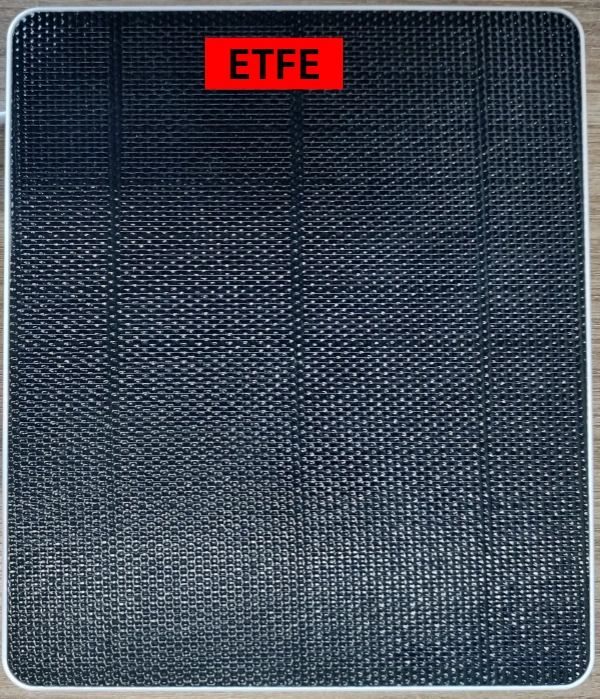
In the world of portable power stations and flexible solar panels, ETFE (Ethylene Tetrafluoroethylene) is considered the premium coating material. It is the modern successor to the older, cheaper PET (Polyethylene Terephthalate) coatings.
Here is a detailed breakdown of its advantages and disadvantages:
1. Advantages (The “Premium” Features)
-
Superior Durability: ETFE is a high-strength fluorine-based polymer. It is “shock-proof” and much more resistant to cracking or tearing than PET. It can withstand extreme temperatures (from -65°C to 150°C).
-
High Light Transmittance: ETFE is highly transparent, allowing up to 95% of sunlight to reach the solar cells. This results in higher efficiency and better performance even in low-light or cloudy conditions.
-
Self-Cleaning & Non-Stick: Similar to a Teflon frying pan, ETFE is non-adhesive. Dust, bird droppings, and dirt don’t stick easily and are often washed away by a light rain. This keeps the panel’s efficiency high without constant scrubbing.
-
UV & Corrosion Resistance: Unlike PET panels that turn yellow and become brittle after 1–2 years in the sun, ETFE does not degrade under UV radiation. It is also highly resistant to salt corrosion, making it the standard for marine/boating applications.
-
Longer Lifespan: An ETFE-coated panel typically lasts 5 to 10+ years, whereas a PET panel often fails or “delaminates” (the layers peel apart) within 2 years.
-
Fire Retardant: ETFE is naturally flame-retardant and does not release toxic fumes if exposed to high heat.
2. Disadvantages (The Trade-offs)
-
Higher Cost: ETFE is significantly more expensive to manufacture. An ETFE solar panel usually costs 25% to 40% more than a PET version of the same wattage.
-
Folding Sensitivity: While ETFE is flexible, if it is folded too sharply or repeatedly at the exact same “hinge” point, it can eventually delaminate from the solar cells, potentially allowing moisture to enter.
-
Heat Sensitivity in Cold: ETFE can become stiff in very cold weather (below freezing). It is best to unfold it gently when it’s cold to avoid micro-cracks in the coating.
-
Slightly Lower Peak Efficiency than Glass: While ETFE is the best flexible coating, it still has slightly lower light transmittance than high-end tempered glass used in rigid panels.
Comparison: ETFE vs. PET
| Feature | ETFE (The Pro Choice) | PET (The Budget Choice) |
| Lifespan | 5 – 10+ Years | 1 – 3 Years |
| Sun Damage | No yellowing | Yellows & cracks |
| Surface | Dimpled/Rough (Anti-glare) | Smooth/Shiny (Reflective) |
| Maintenance | Self-cleaning | Requires frequent wiping |
| Price | Premium ($$$) | Low ($) |
Summary Recommendation
-
Buy ETFE if: You are using the panels for a long-term RV setup, a boat, or if you want a portable kit that will last for many years of heavy camping.
-
Buy PET if: You only need a cheap panel for occasional emergency use or a one-time weekend trip and don’t mind replacing it in a year or two.
Are you looking at a specific brand of foldable solar panels?
We can help you check if their “honeycomb” or “dimpled” texture is genuine ETFE.
Contact us: [email protected]
