
LiFePO4 (Lithium Iron Phosphate) Advantages and Disadvantages
Note: This article is summarized from our team's daily technical support experience. We strive for accuracy and welcome your feedback or corrections.
LiFePO4 (Lithium Iron Phosphate), often referred to as LFP, has become the dominant battery chemistry for energy storage and many electric vehicles in 2026. It is favored for its “steady and safe” personality compared to the “high-energy but volatile” nature of NMC (Nickel Manganese Cobalt) batteries.
1. Advantages (Pros)
-
Exceptional Safety: LFP has a much higher thermal runaway threshold (approx. 270°C to 400°C). It is chemically stable and significantly less likely to catch fire or explode even if punctured or overcharged.
-
Long Cycle Life: LFP batteries typically last between 3,000 to 6,000+ full cycles before dropping to 80% capacity. In a home solar system, this can translate to 15–20 years of use.
-
Eco-Friendly & Ethical: They contain no Cobalt or Nickel. This eliminates the ethical concerns of cobalt mining and makes the batteries easier and cheaper to recycle.
-
High Efficiency: LFP cells offer a round-trip efficiency of 96%–98%, meaning very little energy is lost as heat during charging and discharging.
-
Stable Voltage: The discharge curve is very flat; the battery provides consistent power until it is nearly empty, unlike lead-acid batteries which drop in performance as they drain.
2. Disadvantages (Cons)
-
Lower Energy Density: LFP is heavier and bulkier. It typically offers 140–170 Wh/kg, while NMC can reach 250–300 Wh/kg. This is why LFP is rarely used in high-performance sports cars or small drones.
-
Poor Low-Temperature Performance: LFP’s capacity drops significantly in freezing weather. Most importantly, you cannot charge LFP batteries below 0°C without a built-in heater, or you risk permanent damage (lithium plating).
-
Lower Voltage: A single LFP cell has a nominal voltage of 3.2V (vs. 3.7V for NMC), requiring more cells in series to achieve the same total voltage.
-
Voltage Measurement Difficulty: Because the voltage stays so stable until the very end, it is hard for simple meters to guess the “State of Charge” (SoC) based on voltage alone. A high-quality BMS is required for accurate percentage readings.
3. Application Scenarios
-
Residential Energy Storage (ESS): The #1 choice for home solar batteries (like Tesla Powerwall 3 or EcoFlow installations) because safety and longevity are more important than weight in a house.
-
Entry-Level & Standard Range EVs: Used extensively by Tesla (Model 3/Y RWD), BYD, and Ford to lower vehicle costs while providing a battery that can be charged to 100% daily without rapid degradation.
-
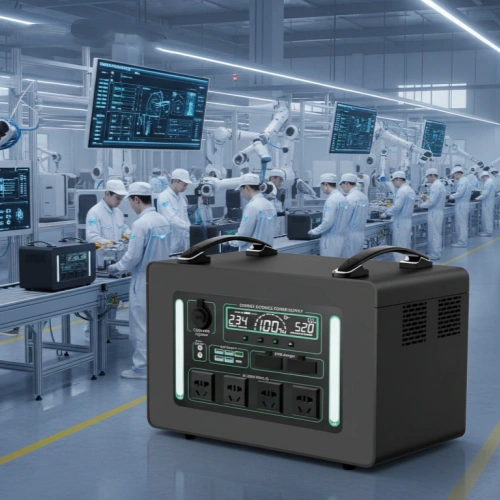
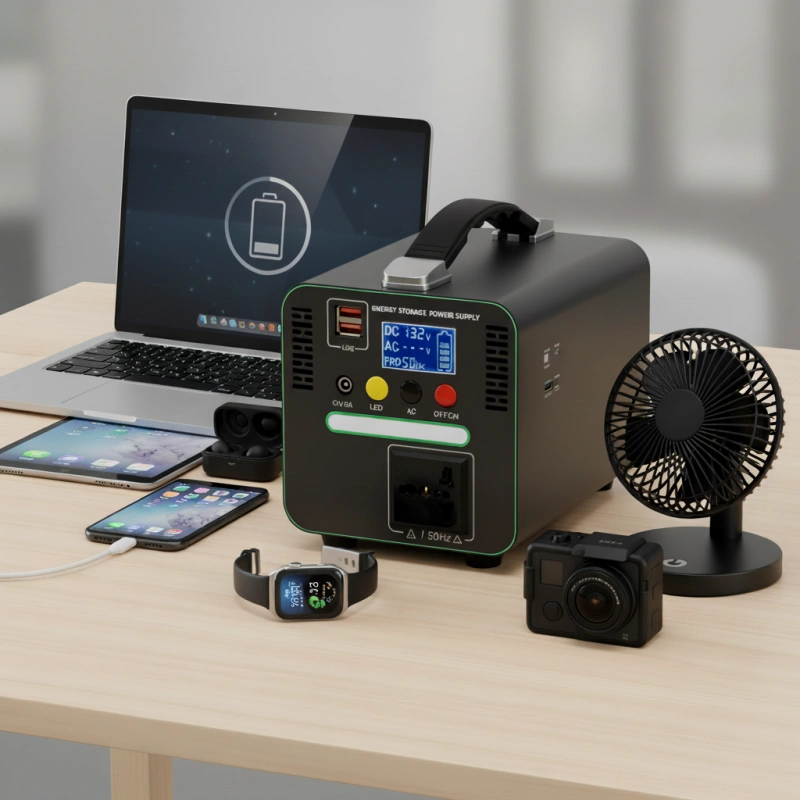
Portable Power Stations: Ideal for “Solar Generators” used in camping or emergency backup where you want a unit that won’t catch fire inside a van or tent.
-
Electric Buses & Heavy Machinery: Used in public transit and forklifts because these vehicles operate on fixed routes or in warehouses where the extra weight is actually helpful for stability (counterweight).
-
Off-Grid Marine/RV: Perfect for replacing old lead-acid (AGM/Gel) batteries in boats and motorhomes due to being “drop-in” compatible with many 12V/24V systems.
Summary Table: LFP vs. NMC (2026 Snapshot)
| Feature | LiFePO4 (LFP) | NMC (Nickel Manganese Cobalt) |
| Lifespan | 3,000 – 7,000 cycles | 1,000 – 2,000 cycles |
| Safety | Very High (Stable) | Moderate (Risk of Thermal Runaway) |
| Weight | Heavier / Bulkier | Lightweight / Compact |
| Best For | Home storage, daily driving | Racing, long-range EVs, drones |
| Charging | Can charge to 100% daily | Best kept between 20% – 80% |
Are you looking to buy a battery power station for a specific project?
We can help you calculate the exact size or Wh (Watt-hour) capacity you might need.
Email: [email protected]
