
PV glass solar panel advantage and disadvantage
Note: This article is summarized from our team's daily technical support experience. We strive for accuracy and welcome your feedback or corrections.
PV glass solar panel advantage and disadvantage
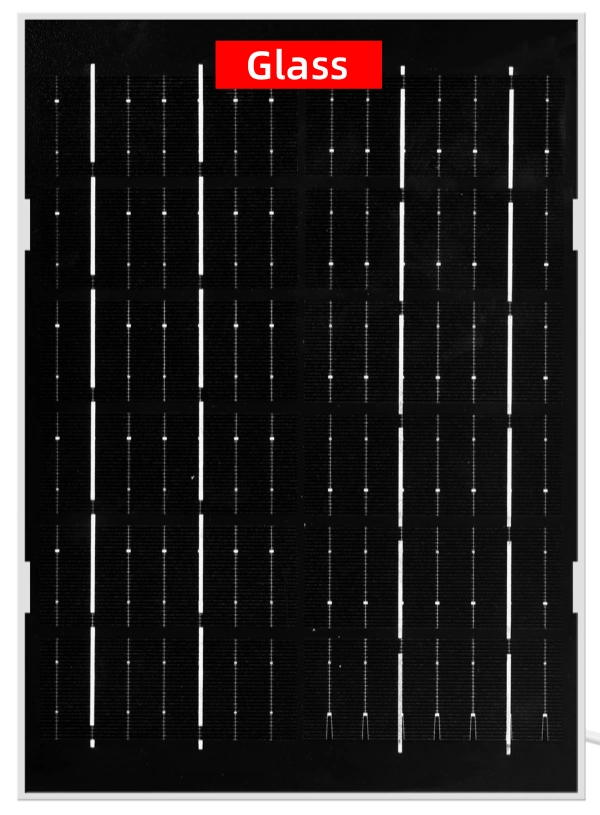
PV Glass solar panels (Photovoltaic Glass) represent the “traditional” and most robust type of solar technology. In the context of portable power stations, these are often referred to as Rigid Solar Panels.
Unlike the flexible PET or ETFE panels that use plastic films, these panels use a thick layer of tempered glass to protect the solar cells.
1. Advantages (Pros)
-
Highest Efficiency: Glass has the best light transmittance and thermal properties. Rigid glass panels typically have an efficiency of 20–23%, whereas flexible panels often struggle to stay above 15–18% over time.
-
Extreme Durability & Lifespan: This is the gold standard for longevity. A PV glass panel is built to last 25 to 40 years. The tempered glass protects the cells from “micro-cracks” caused by wind or handling, which are the leading cause of death for flexible panels.
-
Better Heat Dissipation: Glass panels are almost always mounted in an aluminum frame, creating an air gap behind the panel. This allows for airflow, which keeps the cells cooler. (Solar cells lose efficiency as they get hotter).
-
Weather Resistance: They are built to withstand heavy snow loads and high-velocity hail. They do not “delaminate” or peel like plastic panels can in extreme humidity or salt spray.
-
Lowest Cost per Watt: Because they are the industry standard for home rooftops, they are mass-produced at a much lower cost than specialized ETFE materials.
2. Disadvantages (Cons)
-
Weight: This is the biggest drawback for “portable” use. A 100W glass panel can weigh 15–20 lbs (7–9 kg), while an ETFE equivalent might only weigh 4–6 lbs.
-
Fragility (Impact): While tempered glass is very strong, it is brittle. If you drop a glass panel on a sharp rock or it falls over in high wind, the glass can shatter like a car windshield.
-
Bulkiness: They are rigid and cannot be folded. This makes them difficult to pack into a small car or store in a closet compared to a “suitcase” style foldable panel.
-
Installation Effort: They usually require mounting brackets or a kickstand. You can’t just “throw them” onto the roof of a tent or a curved van roof like you can with flexible panels.
3. Application Scenarios
-
Fixed RV/Van Installations: If you have the space on your roof, always choose glass. It will outlast the vehicle itself.
-
Off-Grid Cabins: For a permanent backup system for a portable power station at a fixed location.
-
Long-Term Basecamps: If you are camping in one spot for weeks at a time, the extra weight is worth the higher power output.
Ultimate Comparison: ETFE vs. PET vs. PV Glass
| Feature | PET (Budget) | ETFE (Premium) | PV Glass (Rigid) |
| Material | Polyester Plastic | Fluoropolymer | Tempered Glass |
| Lifespan | 1–3 Years | 5–10 Years | 25+ Years |
| Portability | Excellent | Excellent | Poor (Heavy) |
| Durability | Low | High (Flexible) | Highest (Rigid) |
| Efficiency | Moderate | High | Highest |
| Cost | $ | $$$ | $$ (Best Value) |
Recommendation
-
If you are backpacking or hiking: You need PET or ETFE for the weight savings.
-
If you are van-lifing or boating: Go with ETFE for the balance of flexibility and salt resistance.
-
If you want the most power for the least money and don’t mind the weight: Go with PV Glass.
Which one fits your lifestyle better?
If you tell me whether you’re traveling in a small car or setting up a permanent backup at home, I can recommend a specific wattage size.
Email: [email protected]
